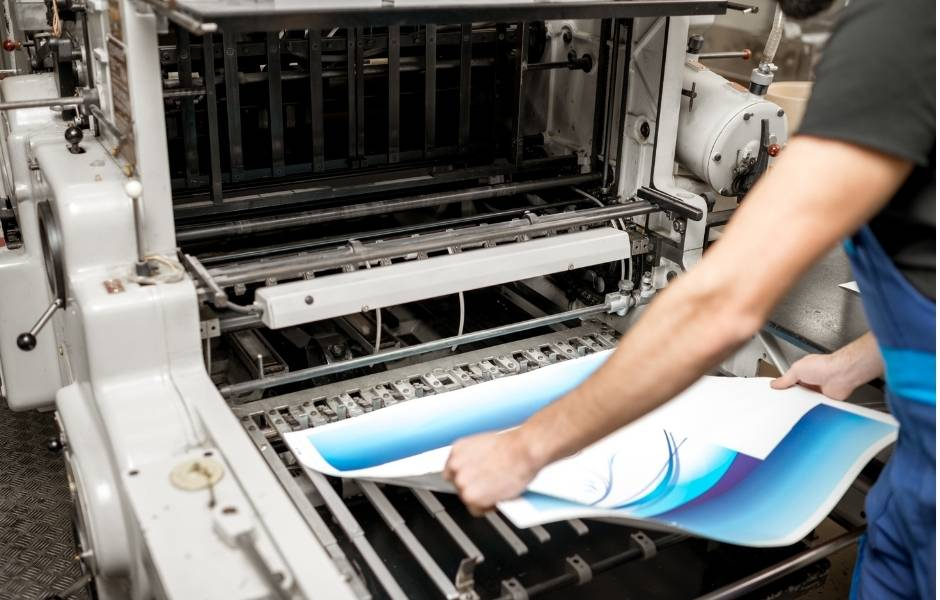
Printing continues to play a vital role in marketing and business development, even in an increasingly digital world. While online advertising and social media campaigns are important components of modern marketing strategies, printed materials remain highly effective for building brand awareness, communicating information, and creating lasting impressions. Businesses of all sizes rely on professional printing services to support their marketing efforts and drive long-term growth.
One of the primary advantages of printing is its ability to create a tangible connection with customers. Printed materials offer a physical experience that digital content cannot replicate. When customers receive a brochure, catalog, flyer, or postcard, they can hold it, read it at their convenience, and keep it for future reference. This extended exposure often leads to greater brand recall and increased customer engagement.
Professional printing helps businesses maintain a consistent and polished brand image. High-quality printed materials reflect professionalism and attention to detail. Sharp images, vibrant colors, and clear text can significantly influence how customers perceive a company. Businesses that invest in quality printing often appear more trustworthy and credible, which can positively impact purchasing decisions.
Business cards remain one of the most recognizable examples of professional printing. Even in the age of smartphones and digital networking, business cards continue to serve as valuable tools for establishing professional relationships. A well-designed business card provides essential contact information while showcasing a company’s branding. Professional printing ensures durability and a premium appearance that helps leave a lasting impression.
Brochures and catalogs are also important products within the printing industry. These materials allow businesses to present detailed information about products, services, and company values in an organized and visually appealing format. Unlike online advertisements that may only provide limited information, printed brochures offer customers the opportunity to explore offerings at their own pace. This can be especially valuable for industries such as real estate, healthcare, education, and retail.
Direct mail campaigns continue to demonstrate the effectiveness of printing in marketing. Personalized postcards, promotional mailers, and newsletters allow businesses to reach specific audiences directly. Because physical mail often faces less competition than digital inboxes, recipients may be more likely to engage with printed materials. Modern printing technology enables businesses to personalize direct mail campaigns, increasing relevance and response rates.
Packaging has become another major area where printing contributes to business success. Product packaging serves as both a protective solution and a marketing tool. Attractive packaging can influence consumer behavior, differentiate products from competitors, and strengthen brand recognition. Through advanced printing techniques, companies can create eye-catching designs that communicate quality and encourage purchases.
Large-format printing provides businesses with opportunities to increase visibility and reach wider audiences. Posters, banners, vehicle wraps, window graphics, and trade show displays help organizations attract attention in public spaces. High-quality large-format printing creates impactful visual experiences that support brand awareness and promotional campaigns.
Technological advancements have transformed the printing industry in recent years. Digital printing allows businesses to produce high-quality materials quickly and affordably. Unlike traditional printing methods that often require large production runs, digital printing makes it possible to print smaller quantities without compromising quality. This flexibility is particularly beneficial for small businesses and organizations with changing marketing needs.
Environmental sustainability has also become a significant focus in modern printing. Many printing companies now offer eco-friendly solutions such as recycled paper, vegetable-based inks, and energy-efficient production methods. Sustainable printing practices help businesses reduce their environmental footprint while meeting the growing demand for environmentally responsible products and services.
Printing works best when integrated with digital marketing efforts. Businesses can use printed materials to direct customers to websites, social media platforms, online stores, and digital promotions through QR codes and personalized web links. This combination of print and digital marketing creates a more comprehensive customer experience and helps maximize campaign effectiveness.
In conclusion, printing remains a powerful and relevant tool for businesses seeking growth and customer engagement. From business cards and brochures to packaging and large-format displays, professional printing supports branding, communication, and marketing objectives. As technology continues to evolve, printing will remain an essential part of successful business strategies, helping companies build stronger relationships with customers and stand out in competitive markets.
About the Author