Mold removal is an essential service that helps eliminate harmful mold growth from homes, offices, and commercial buildings. Mold is a type of fungus that thrives in damp, humid environments and can spread quickly if not treated properly. It often appears on walls, ceilings, carpets, and hidden areas such as behind drywall or under flooring. Professional mold removal is important for maintaining a safe, healthy, and clean indoor environment.
One of the main causes of mold growth is excess moisture. Water leaks from pipes, roofs, or windows can create ideal conditions for mold to develop. Flooding and poor ventilation also contribute to moisture buildup inside buildings. Once mold begins to grow, it can spread rapidly through spores, making early detection and removal critical.
Mold removal typically begins with a thorough inspection. Professionals assess the affected areas to determine the type and extent of mold growth. Specialized tools such as moisture meters and infrared cameras may be used to detect hidden mold behind walls or under surfaces. Identifying the source of moisture is also an important step to prevent future growth.
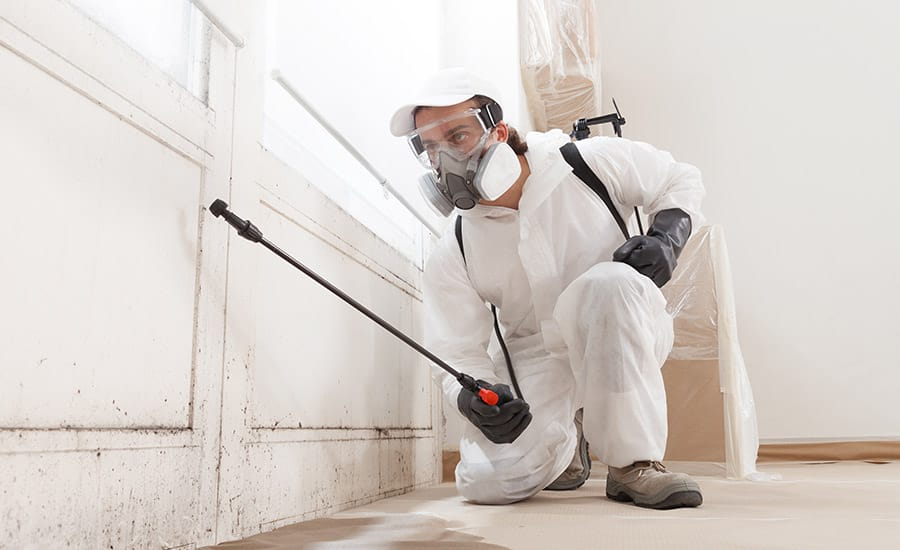
Containment is a key part of the mold removal process. Before cleaning begins, affected areas are sealed off to prevent mold spores from spreading to other parts of the building. This is done using plastic sheeting and negative air pressure systems. Proper containment ensures that mold does not contaminate clean areas during removal.
Once the area is contained, professionals begin the cleaning and removal process. Depending on the severity, mold may be removed by scrubbing surfaces with specialized cleaning solutions or removing contaminated materials such as drywall, insulation, or carpeting. In severe cases, structural components may need to be replaced to fully eliminate mold growth.
Air filtration is another important step in mold removal. High-efficiency particulate air (HEPA) filters are used to capture airborne mold spores and improve indoor air quality. This helps reduce health risks and ensures that the environment is safe after the removal process. Air scrubbers may also be used to clean the air during and after remediation.
Drying and dehumidification are essential to prevent mold from returning. After removal, professionals use industrial fans and dehumidifiers to eliminate excess moisture from the building. Keeping humidity levels low is one of the most effective ways to prevent future mold growth. Proper ventilation in bathrooms, kitchens, and basements also helps control moisture levels.
Mold can pose serious health risks, especially for individuals with allergies, asthma, or weakened immune systems. Exposure to mold spores may cause symptoms such as coughing, sneezing, skin irritation, and respiratory issues. This is why professional mold removal is important for protecting both health and safety.
Preventing mold growth is just as important as removing it. Regular home maintenance, such as fixing leaks, improving ventilation, and using dehumidifiers, can significantly reduce the risk of mold. Homeowners should also inspect areas prone to moisture, such as basements and bathrooms, to catch problems early.
In conclusion, mold removal is a critical process for maintaining a healthy and safe living environment. By identifying the source of moisture, removing contaminated materials, and improving air quality, professionals ensure that mold is eliminated effectively. With proper prevention and maintenance, homeowners can protect their property from future mold problems and maintain a clean indoor space.
About the Author