Precision manufacturing has become an important part of modern industrial development. Businesses operating in electronics, automotive production, scientific equipment, and advanced machinery depend on components that meet accurate specifications. Even minor dimensional differences can affect how individual parts fit together and how complete systems perform. For this reason, manufacturers increasingly focus on accurate production methods, reliable materials, and consistent quality management.
Modern manufacturing involves more than producing large quantities of products. Companies must ensure that every component meets its intended requirements while maintaining reasonable production costs. Achieving this balance requires suitable machinery, experienced employees, and effective inspection procedures.
Understanding the Role of Specialized Materials
Material selection is one of the foundations of precision manufacturing. Different industrial applications require materials with particular thermal, chemical, mechanical, and dimensional characteristics.
Quartz is an important material in several specialized manufacturing environments. Depending on its form and purity, it can provide useful characteristics for applications involving elevated temperatures and controlled processing conditions. Fused silica and quartz glass are particularly relevant to certain laboratory and industrial equipment designs.
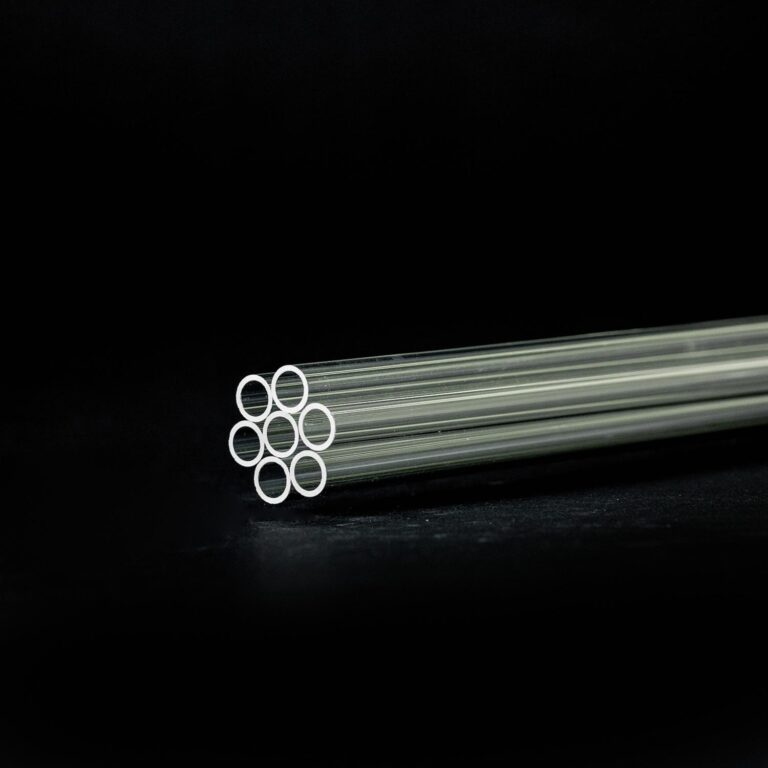
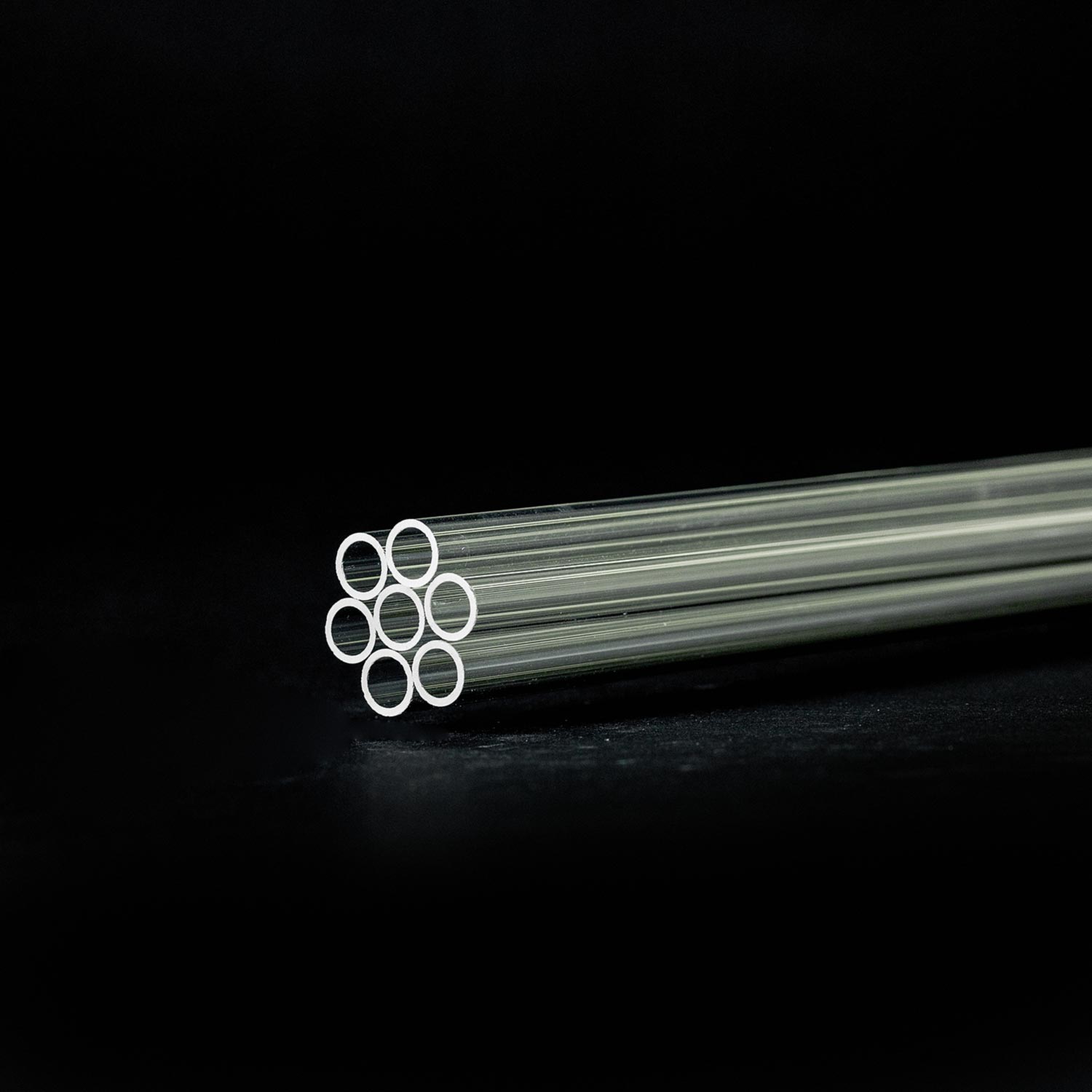
Large Diameter large diameter quartz tubing Tubing may be considered in applications where equipment requires specific tube dimensions and suitable thermal characteristics. Engineers must evaluate wall thickness, diameter, surface quality, operating temperature, and installation requirements before selecting a component.
Using suitable materials helps manufacturers maintain dimensional consistency and reduce problems associated with unsuitable equipment components.
Improving Dimensional Accuracy
Dimensional accuracy is essential when manufacturing components that must fit together within complex assemblies. Incorrect measurements can create alignment problems, unwanted gaps, excessive mechanical stress, or equipment vibration.
Computer numerical control machinery allows manufacturers to produce components according to programmed specifications. These systems can perform repeated operations with consistent measurements, reducing variations associated with manual production.
However, accurate machinery alone cannot guarantee quality. Equipment calibration, tool condition, environmental stability, and operator knowledge also influence manufacturing results.
Manufacturers should establish measurement procedures for critical dimensions and maintain records that demonstrate whether production remains within acceptable tolerances.
The Importance of Quality Inspection
Quality inspection helps identify defects before products reach customers. Depending on the manufacturing process, inspection may include dimensional measurement, surface evaluation, material testing, and functional assessment.
Some defects are immediately visible, while others require specialized testing equipment. Manufacturers should select inspection methods according to the characteristics and intended use of each component.
Quality departments should also communicate regularly with production teams. When inspection identifies recurring problems, engineers can investigate the causes and modify production procedures.
Documenting inspection results helps businesses recognize patterns and evaluate whether corrective actions are successful.
Workforce Skills and Technical Training
Precision manufacturing requires employees who understand equipment operation, measurement techniques, material handling, and quality requirements.
Training should cover both routine activities and unusual operating conditions. Employees must know how to recognize equipment abnormalities and report problems before they affect production.
Manufacturers should also encourage communication between experienced technicians and newer employees. Sharing practical knowledge can improve problem-solving and reduce operational mistakes.
Regular training becomes particularly important when companies introduce new machinery, measurement systems, or production technologies.
Preparing for Future Industrial Requirements
Industrial production continues to become more demanding as customers expect improved performance, reliability, and product consistency.
Manufacturers that invest in suitable equipment, specialized materials, and effective quality management can respond more confidently to these expectations.
Precision manufacturing is ultimately a combination of accurate engineering, appropriate material selection, skilled employees, and continuous improvement. Businesses that strengthen these areas can reduce production waste, improve component reliability, and support sustainable industrial development.
About the Author