Food has always played an important role in bringing people together. Whether families gather for a weekend meal, friends meet after work, or neighbors celebrate a special occasion, sharing food creates opportunities for conversation and connection. Local food culture also reflects the traditions, ingredients, and cooking methods that make each community unique.
Food as a Reflection of Local Traditions
Every region has its own culinary identity. Traditional recipes are often passed from one generation to another, preserving flavors and cooking techniques that have cultural significance.
Some communities are known for their use of fresh seafood, while others are recognized for grilled dishes, homemade bread, seasonal vegetables, or carefully prepared spices. These traditions help people maintain a connection with their cultural background while introducing visitors to local flavors.
Traditional meals also change over time. Modern chefs may introduce new ingredients or cooking methods while maintaining the essential characteristics of familiar recipes. This combination of tradition and creativity keeps local food culture interesting.
Why Fresh Ingredients Make a Difference
Ingredient quality has a major influence on the taste and presentation of a meal. Fresh vegetables, properly stored meats, quality spices, and seasonal produce can improve the overall cooking experience.
Local suppliers often provide access to ingredients that reflect the agricultural characteristics of a particular area. Working with nearby farms and markets may also help food businesses understand seasonal availability and plan their menus accordingly.
Fresh ingredients should always be handled carefully. Proper storage, appropriate temperatures, and hygienic preparation practices help maintain food quality and reduce safety risks.
The Role of Dining Spaces in Community Life
Food establishments are often more than places where people purchase meals. They can become familiar meeting points where customers celebrate achievements, discuss daily events, and spend time with friends.
Many restaurants contribute to local community life by offering spaces for birthdays, family gatherings, business meetings, and cultural celebrations. A welcoming atmosphere, comfortable seating, and friendly service can make visitors feel appreciated.
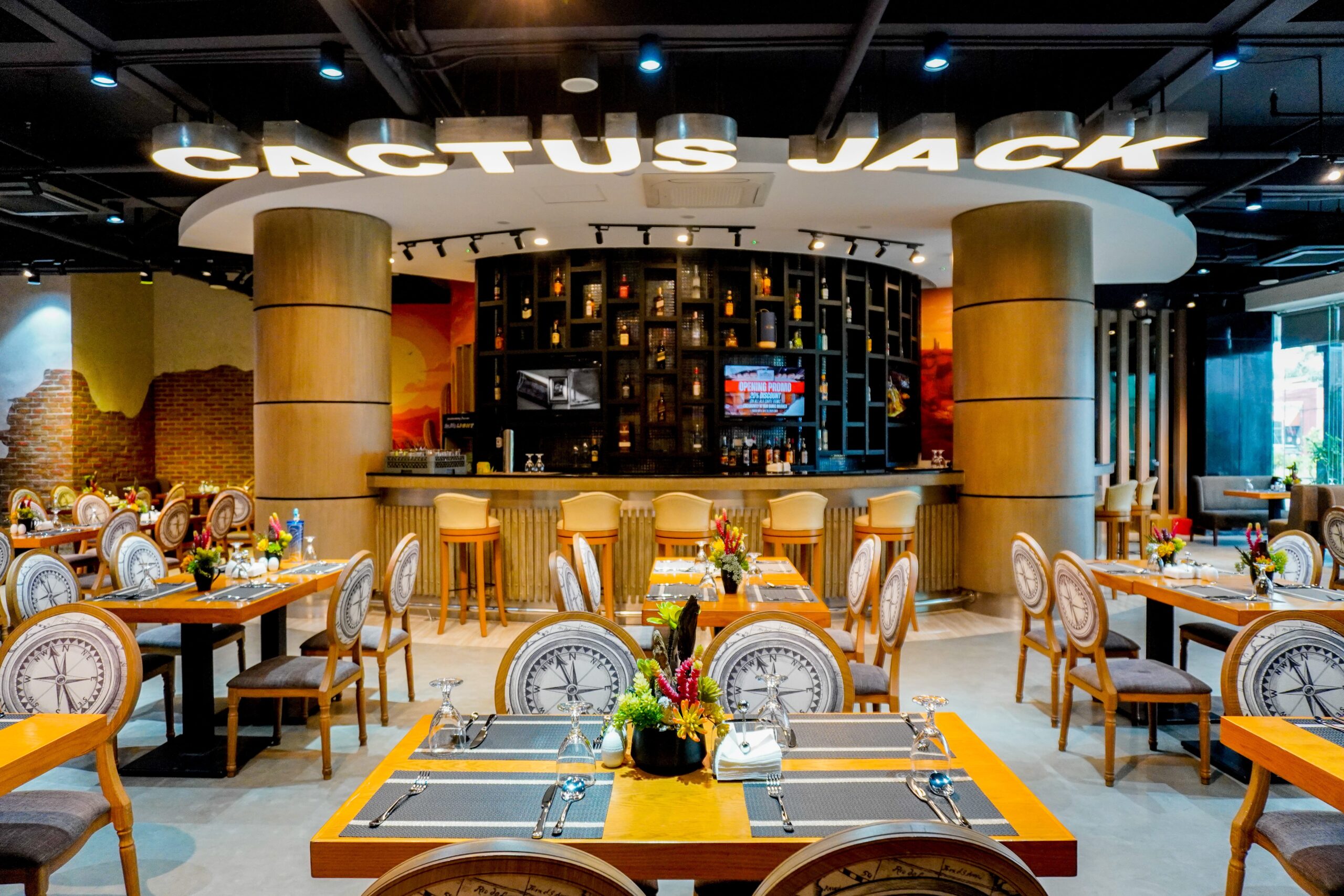
The design of a dining space also influences the experience. Lighting, background music, furniture, and table arrangements should support the type of atmosphere the business wants to create. Looking for a restaurant Lynchburg try out Neighbors Place.
Exploring Different Culinary Experiences
Trying unfamiliar dishes is an enjoyable way to discover different cultures. A new flavor combination or traditional cooking technique can introduce diners to ingredients they may not have experienced before.
Food festivals, seasonal menus, and themed dining events can make these experiences more accessible. They also give local chefs opportunities to showcase their creativity and share regional specialties with a wider audience.
People who enjoy exploring food can benefit from asking about ingredients and preparation methods. Learning the story behind a particular dish often makes the experience more meaningful.
Supporting Small Food Businesses
Independent food businesses contribute to the character and economic activity of local communities. They create employment opportunities, work with nearby suppliers, and often introduce distinctive menus that reflect regional preferences.
Customers can support these businesses by visiting regularly, recommending their favorite places, and sharing honest feedback. Positive customer relationships can help smaller establishments build a loyal audience.
Food businesses can also strengthen their community connections by participating in local events, supporting charitable activities, and collaborating with other neighborhood organizations.
Creating a Positive Experience for Every Visitor
Good food is important, but customer experience depends on several additional factors. Clean dining areas, accurate orders, reasonable waiting times, and respectful service all influence how visitors remember their meals.
Staff training and clear communication can help maintain consistent service standards. Businesses should also pay attention to customer feedback because it may reveal opportunities to improve menus, seating arrangements, or daily operations.
Celebrating Food and Community Connections
Local food culture brings people together through shared traditions, new experiences, and meaningful conversations. From family recipes to modern culinary creativity, every meal can tell a story about the people and places behind it. By supporting local food businesses and appreciating different cooking traditions, communities can preserve their culinary identity while creating welcoming spaces for everyone.
About the Author