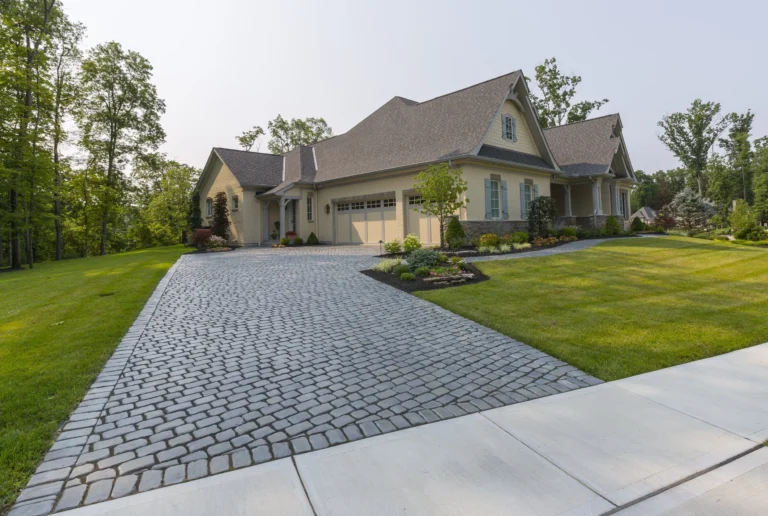
A thoughtfully designed landscape can make a property feel more welcoming while creating a comfortable place for outdoor activities and relaxation. Whether you have a small yard or a large property, the right combination of plants, hardscaping, lighting, and maintenance can transform an ordinary outdoor area into an attractive extension of your home.
Before starting a landscaping project, consider how you want to use the space. Some homeowners prefer open lawn areas for children and pets, while others may want gardens, patios, outdoor seating, or quiet spaces surrounded by plants. Defining your goals first can make the design process more efficient.
Choosing plants that suit the local environment is also important. Consider sunlight, soil conditions, rainfall, temperature, and available space before selecting trees, shrubs, flowers, or ground covers. Native and climate-appropriate plants can often require less maintenance once established.
Hardscaping can add structure and functionality to a landscape. Features such as stone walkways, patios, retaining walls, garden borders, and decorative gravel can define different areas of the yard. These elements can also complement plants and create a more organized appearance.
Outdoor lighting is another simple way to enhance landscaping. Pathway lights can improve visibility, while accent lighting can highlight trees, architectural features, gardens, and other focal points. Well-positioned lighting can also allow homeowners to enjoy their outdoor spaces after sunset. For a Smith Mountain Lake excavating contractor check out Wingfield Excavating & Landscaping.
Water management should never be overlooked. Poor drainage can result in standing water, soil erosion, and damage to plants or nearby structures. Proper grading and drainage planning can help direct excess water to appropriate areas and protect the landscape.
Regular maintenance is essential for keeping the finished design attractive. Depending on the landscape, maintenance may include mowing, pruning, watering, mulching, fertilizing, weed control, and seasonal cleanup. Creating a consistent maintenance routine can prevent small problems from becoming difficult to manage.
For larger projects, working with a professional landscaping contractor can save time and improve the final result. Experienced professionals can help with design, plant selection, installation, grading, hardscaping, and ongoing maintenance.
A successful landscape should balance beauty with practicality. By planning carefully, selecting suitable plants and materials, and maintaining the property consistently, homeowners can create an outdoor environment that looks attractive, functions well, and remains enjoyable throughout the seasons.
About the Author