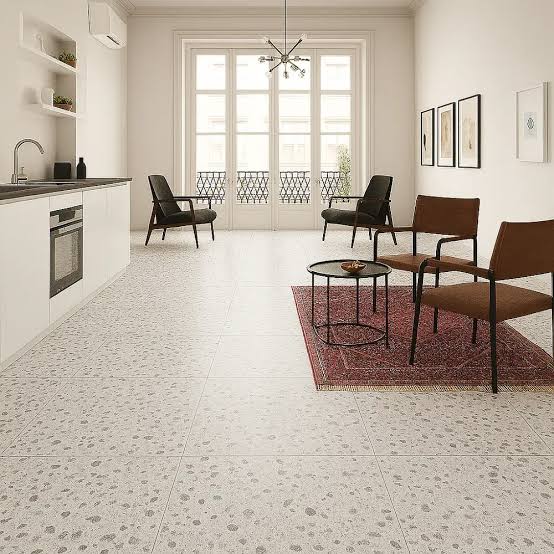
Choosing a new floor is an important part of improving any home. The right surface can change the appearance of a room, improve comfort, and make everyday cleaning easier. Since flooring is exposed to constant foot traffic, furniture movement, spills, and general wear, homeowners should consider both appearance and performance before starting a project.
Start With the Room’s Purpose
Each room has different flooring needs. Kitchens and entryways often experience heavy traffic and frequent spills, while bedrooms may benefit from softer and warmer surfaces.
Living rooms usually require a balance between comfort and durability. Bathrooms and laundry areas may need materials that can handle moisture effectively. Matching the flooring to the purpose of the room can improve long-term performance.
Compare Available Materials
Homeowners have many options to choose from, including hardwood, engineered wood, laminate, vinyl, tile, and carpet. Each material has unique benefits and maintenance requirements.
Hardwood can add warmth and a classic appearance, while engineered products may provide greater flexibility in certain environments. Vinyl and laminate are often chosen for practical reasons, while tile can provide durability in areas where moisture is a concern.
Think About Daily Traffic
The amount of foot traffic a room receives should influence the flooring decision. High-traffic areas may require surfaces that resist scratches, stains, and wear.
Homes with children or pets may also benefit from durable and easy-to-clean materials. Evaluating everyday activity can help prevent choosing a beautiful surface that is not suitable for the household’s lifestyle.
Consider Cleaning Requirements
Every flooring material requires some level of maintenance, but the amount of work can differ significantly. Some surfaces may require special cleaners or periodic treatment, while others can be maintained with basic sweeping and mopping.
Before making a purchase, review the manufacturer’s cleaning recommendations. Selecting a material that matches your preferred maintenance routine can make everyday care much easier.
Choose a Suitable Color and Texture
Flooring can influence the entire appearance of an interior. Light-colored surfaces may make smaller spaces appear more open, while darker finishes can create a warmer or more dramatic atmosphere.
Texture also matters. Smooth surfaces provide a different visual effect from textured wood, patterned tile, or soft carpet. Consider existing walls, cabinets, furniture, and lighting when selecting a color and finish. If you are looking for electricians Winston Salem call Kenco Electric
Prepare the Subfloor Properly
The condition of the surface underneath new flooring can affect the final result. Uneven, damp, or damaged subfloors may cause problems such as movement, gaps, cracking, or premature wear.
A professional installer can inspect the subfloor and recommend any necessary preparation before installation begins. Addressing underlying problems first can improve both appearance and durability.
Consider Installation Time
Different flooring materials require different installation methods and preparation. Some products can be installed relatively quickly, while others may require more detailed work.
Homeowners should consider how long the room will be unavailable during installation. Proper planning can make the project less disruptive, particularly when several rooms are being renovated.
Think About Long-Term Value
The cheapest flooring option may not always provide the best value. A product that requires frequent repairs or replacement can become more expensive over time.
Consider the expected lifespan, maintenance needs, durability, and warranty when comparing options. Investing in suitable materials and professional installation can provide better long-term value.
Hire an Experienced Installer
Quality installation is just as important as choosing the right material. Incorrect measurements, poor alignment, inadequate preparation, or improper adhesive use can affect the finished floor.
When hiring an installer, review previous work, customer feedback, experience, and project estimates. A professional should clearly explain the installation process and any preparation required.
Conclusion
A successful flooring project combines practical performance with attractive design. By considering the purpose of each room, traffic levels, maintenance needs, material choices, subfloor condition, installation requirements, and long-term costs, homeowners can make more informed decisions. Selecting quality materials and working with an experienced installer can create comfortable, durable, and attractive surfaces that enhance the home for years to come.
About the Author