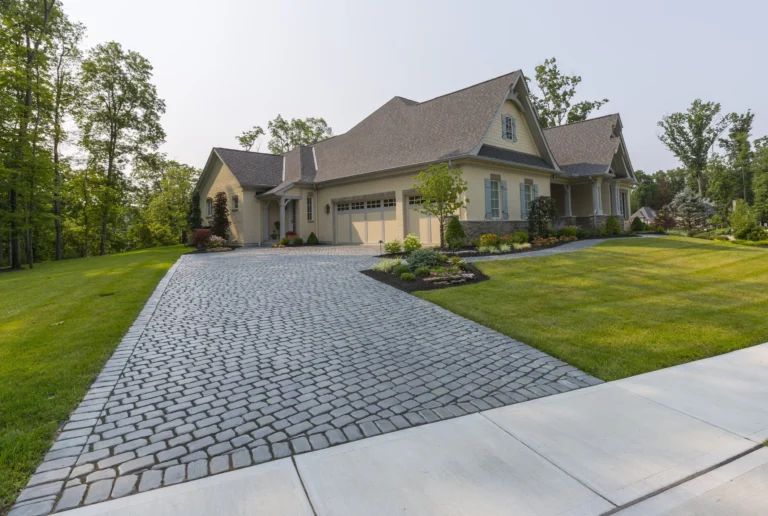
Trees are an important part of residential landscapes. They provide shade, improve the appearance of outdoor spaces, and create a more comfortable environment for families and visitors. A well-maintained tree can become a beautiful feature of a property for many years. However, keeping trees healthy requires regular attention, proper maintenance, and an understanding of their growing conditions.
The Importance of Maintaining Healthy Trees
Healthy trees offer several benefits to homeowners. Their branches provide natural shade during warmer months, while their leaves and overall structure add visual interest to gardens and yards. Trees can also create privacy by forming natural boundaries between neighboring properties.
However, trees that are neglected may develop problems over time. Dead branches, damaged bark, poor growth, and signs of disease can affect their appearance and stability. Regular inspections help homeowners recognize these issues before they become more serious.
Paying attention to tree health is especially important after severe weather. Strong winds, heavy rain, and storms can weaken branches or damage root systems, sometimes creating hazards around homes, driveways, and outdoor living areas.
Proper Pruning Supports Better Growth
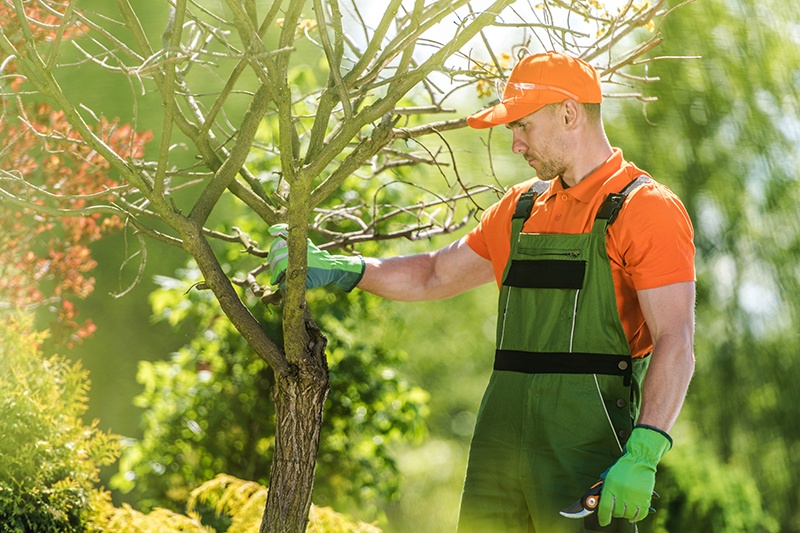
Pruning is one of the most useful practices for maintaining trees. It involves removing selected branches to improve structure, reduce overcrowding, and address damaged or unhealthy growth.
When performed correctly, pruning allows more sunlight and air to reach different parts of the tree. It can also help maintain a balanced shape and prevent branches from interfering with nearby buildings, walkways, or power lines.
Timing is important because different tree species have different growth patterns. Pruning at the wrong time may affect flowering or place unnecessary stress on certain varieties. Homeowners should understand the needs of their trees before attempting major trimming.
Small, manageable tasks may be suitable for property owners, but large branches and elevated work should be handled by trained professionals with appropriate safety equipment.
Recognizing Common Tree Problems
Trees can experience several problems caused by insects, diseases, environmental conditions, and physical damage. Yellowing leaves, unusual spots, peeling bark, dead branches, and sudden changes in growth may indicate that something is wrong.
Soil conditions also influence tree health. Poor drainage, compacted soil, and limited growing space can restrict root development. In some cases, nearby construction or landscaping work may damage roots and affect the tree’s stability.
Early identification makes it easier to determine the appropriate response. Instead of immediately removing a tree that appears unhealthy, homeowners should consider having the problem assessed to understand whether treatment or corrective maintenance is possible. For tree services Lynchburg call Viewpoint Tree Service.
Why Professional Assessment Matters
Some tree-related tasks require specialized knowledge and equipment. Removing large branches, evaluating unstable trunks, and managing trees close to structures can involve considerable risks.
Professional tree services can help property owners assess tree conditions, manage damaged branches, and plan appropriate maintenance. Experienced specialists can also identify potential hazards that may not be obvious during a casual inspection.
Before hiring a provider, homeowners should ask about relevant experience, insurance coverage, safety procedures, and the specific work included in the estimate. Clear communication helps ensure that expectations are understood before the project begins.
Making Trees Part of a Thoughtful Landscape Plan
Tree placement should be considered carefully when designing or improving a yard. A tree that looks small when first planted may eventually develop a wide canopy and extensive root system. Planting too close to buildings, fences, sidewalks, or underground utilities can create difficulties as it matures.
Choosing species suited to the local climate and available space can reduce future maintenance problems. Homeowners should also consider sunlight requirements, soil conditions, expected height, and seasonal characteristics.
A balanced landscape includes enough space for trees to grow naturally without interfering with other outdoor features. Combining trees with suitable shrubs, flowers, and lawn areas can create an attractive and functional environment.
Protecting Your Property Through Consistent Care
Trees are long-term investments that contribute to the beauty, comfort, and character of residential properties. Regular inspections, appropriate pruning, suitable planting decisions, and professional attention when needed can help maintain their condition. By making tree care part of an overall property maintenance routine, homeowners can enjoy healthier outdoor spaces while reducing avoidable safety concerns.
About the Author