Home renovation is an excellent way to improve comfort, functionality, and the overall appearance of a property. Whether you are planning a small update or a major remodeling project, thoughtful improvements can make everyday living more enjoyable while potentially increasing the home’s long-term value. The key is to focus on upgrades that match your lifestyle, budget, and future needs.
Start With a Clear Renovation Plan
Before beginning any renovation, it is important to determine what you want to accomplish. Some homeowners may focus on updating outdated rooms, while others may want to improve energy efficiency or create additional living space. Creating a clear plan helps organize priorities and prevents unnecessary spending.
A realistic budget should include both expected expenses and a reserve for unexpected issues. Older homes, in particular, may require electrical, plumbing, or structural repairs once walls and floors are opened.
Upgrade High-Use Areas
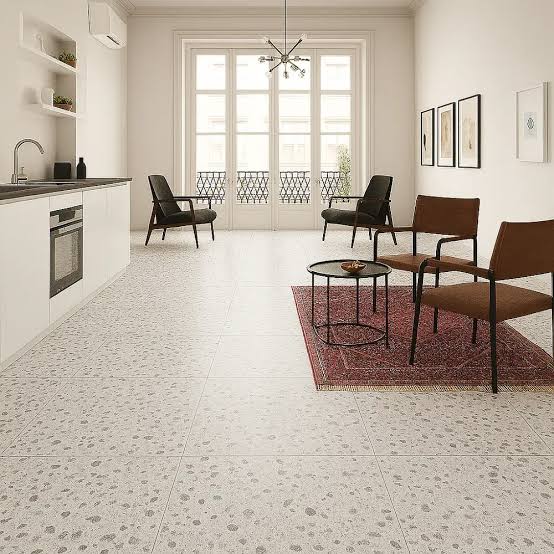
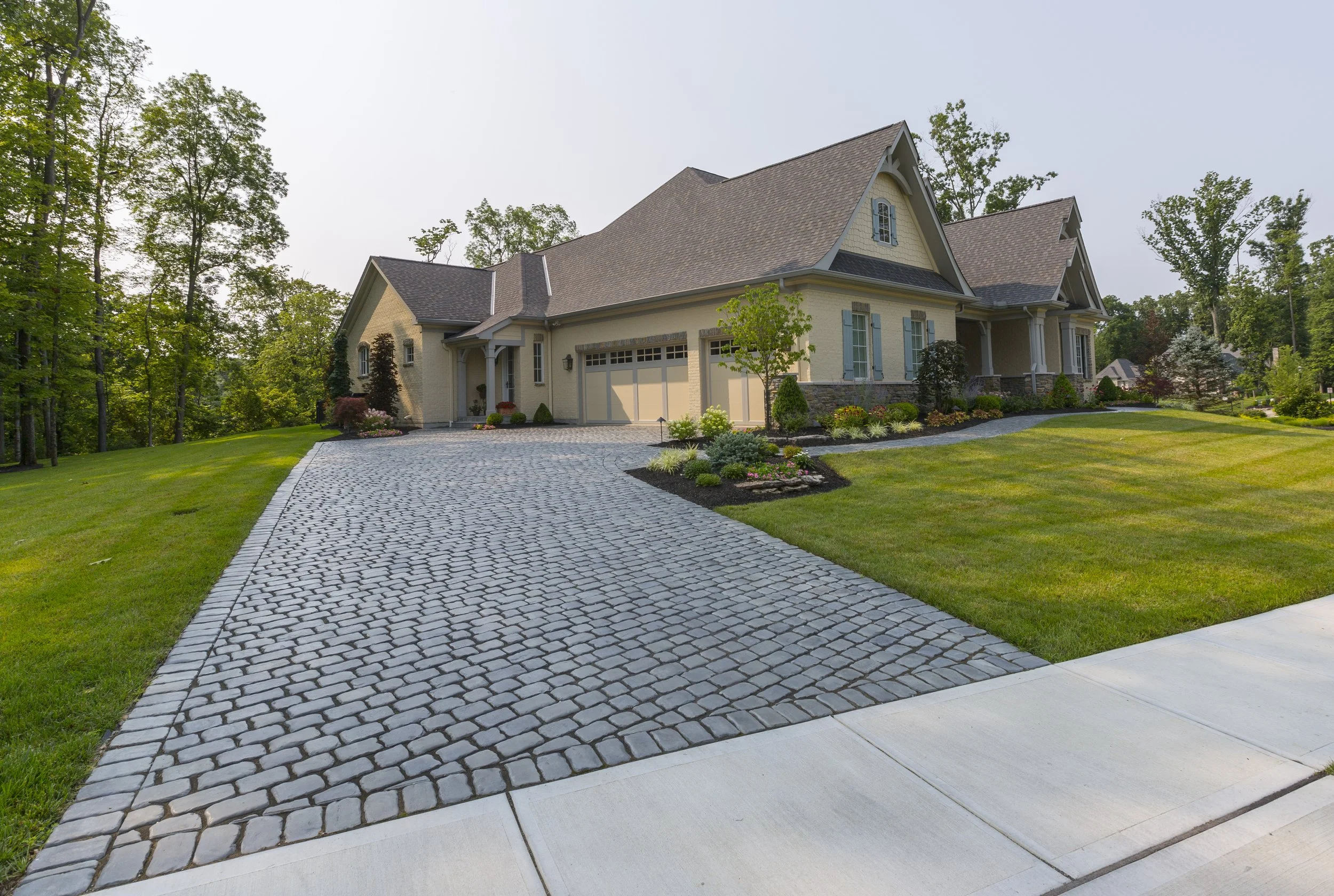
Kitchens and bathrooms are among the most frequently used areas in a home, making them popular renovation choices. Updating cabinets, countertops, lighting, fixtures, flooring, and storage can give these spaces a fresh appearance while improving functionality.Need paving company Roanoke contact Wells Paving Services.
Even smaller changes can make a noticeable difference. Replacing outdated hardware, improving lighting, or adding practical storage can modernize a room without requiring a complete renovation.
Improve Energy Efficiency
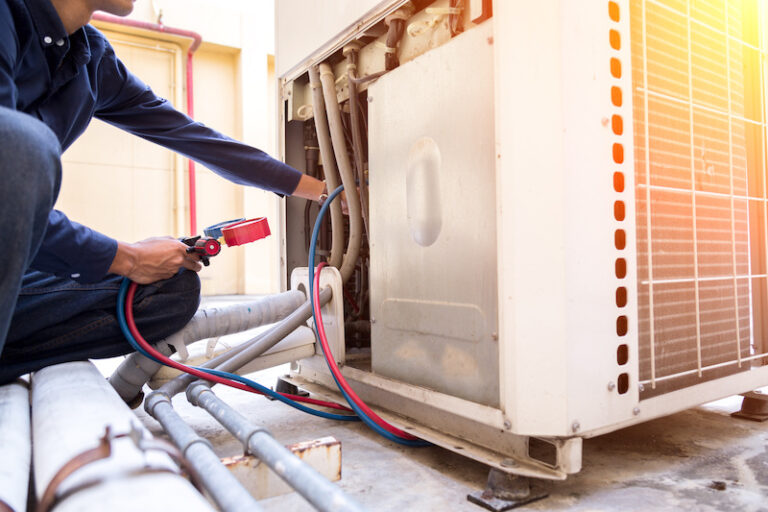
Energy-efficient upgrades can make a home more comfortable while potentially reducing ongoing utility costs. Improvements may include better insulation, energy-efficient windows, modern lighting, improved ventilation, and efficient heating or cooling equipment.
Sealing air leaks around doors and windows can also help maintain indoor temperatures more effectively. Before investing in major upgrades, homeowners can consider an energy assessment to identify areas where improvements may have the greatest impact.
Create More Functional Living Space
Modern homeowners often want flexible spaces that can serve multiple purposes. An unused room, basement, attic, or large corner can potentially be transformed into an office, guest room, entertainment area, or additional storage.
Good renovation design focuses on how the space will actually be used. Proper lighting, convenient electrical outlets, comfortable flooring, and thoughtful storage can make a renovated area much more practical.
Choose Durable Materials
Appearance matters, but durability should also be considered when selecting renovation materials. Flooring, countertops, fixtures, and finishes should be chosen according to how much use they will receive.
High-quality materials may have a higher initial cost, but they can provide better long-term performance and reduce the need for frequent replacements. Easy-to-maintain surfaces can also save homeowners time after the renovation is complete.
Work With Experienced Professionals
Some renovation projects can be handled by homeowners, but larger structural, electrical, plumbing, and construction work generally requires qualified professionals. Experienced contractors can help with planning, permits, material selection, installation, and project management.
Before hiring a contractor, review previous work, discuss the project scope, and request a detailed estimate. Clear communication throughout the project can help keep the renovation organized and reduce unexpected complications.
Final Thoughts
A successful home renovation should combine style, comfort, functionality, and long-term practicality. By planning carefully, prioritizing important improvements, choosing durable materials, and working with qualified professionals, homeowners can create spaces that better suit their needs. Whether the project involves one room or an entire property, thoughtful renovation decisions can make a home more enjoyable for years to come.
About the Author