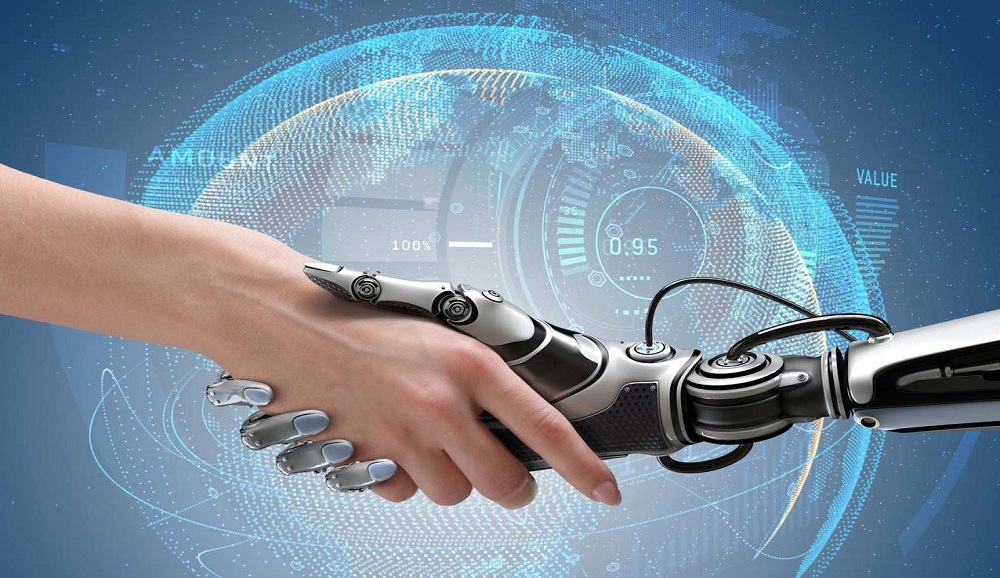
The digital age has revolutionized the way we live, work, and interact. Over the past few decades, technology has evolved at an unprecedented pace, reshaping industries, communication, and daily life. From the rise of personal computers to the widespread adoption of smartphones, the digital era has introduced tools that enhance productivity, connectivity, and access to information. Understanding the evolution of technology helps businesses and individuals adapt to the ever-changing digital landscape.
One of the earliest milestones in the digital revolution was the development of personal computers. In the late 20th century, companies like IBM and Apple brought computing power into homes and offices. These devices transformed the workplace, allowing for faster data processing, improved documentation, and digital communication. As computing technology became more accessible, software development flourished, enabling tasks that were once manual to be automated and more efficient.
The internet has been the most transformative force in the digital age. Initially designed for military and academic purposes, the internet became widely available in the 1990s, creating a global network of information. The emergence of search engines like Google, email services, and online forums revolutionized communication and information sharing. Businesses could now reach international audiences, and consumers gained unprecedented access to products, services, and knowledge. The internet not only connected people but also laid the foundation for e-commerce, social media, and digital marketing.
Mobile technology further accelerated the evolution of the digital era. Smartphones and tablets brought computing and communication into the palm of our hands. With mobile apps, cloud storage, and instant messaging, people could work, learn, and socialize from anywhere. Mobile technology also fueled the rise of the gig economy, remote work, and real-time collaboration tools, changing how companies operate and employees interact. The integration of mobile devices with other technologies, such as wearable gadgets and smart home systems, has created a seamless digital ecosystem that enhances convenience and efficiency. For septic systems Smith Mountain Lake contact Trent’s Septic & Outdoors.
Artificial intelligence (AI) and machine learning have emerged as key drivers of technological evolution. AI algorithms analyze vast amounts of data to provide insights, automate processes, and improve decision-making. Industries such as healthcare, finance, and logistics leverage AI to optimize operations, detect trends, and deliver personalized services. Virtual assistants, chatbots, and recommendation systems are now part of everyday life, demonstrating how AI has become an integral component of the digital experience. As AI continues to advance, its applications will expand, influencing innovation and productivity across multiple sectors.
Cloud computing has also played a pivotal role in the digital transformation. By storing data and running applications on remote servers, businesses can access resources without maintaining costly infrastructure. Cloud technology allows for scalability, flexibility, and real-time collaboration, enabling companies to respond quickly to market demands. Services like Google Cloud, Microsoft Azure, and Amazon Web Services have empowered startups and enterprises alike, making it easier to innovate and deliver products globally. Cloud computing also supports data-driven decision-making by providing centralized access to analytics tools and insights.
The evolution of technology is closely linked to cybersecurity. As digital tools become more sophisticated, the threat landscape grows. Protecting data, networks, and devices has become essential for businesses and individuals. Advanced encryption, multi-factor authentication, and cybersecurity protocols are now critical components of digital strategies. Companies invest heavily in safeguarding digital assets to maintain trust, comply with regulations, and prevent financial loss. The focus on cybersecurity highlights the importance of responsible and secure use of technology in the digital age.
Social media platforms have reshaped human interaction, marketing, and public discourse. Platforms like Facebook, Instagram, Twitter, and TikTok enable instant sharing of information and experiences. Social media has become a powerful tool for businesses to engage with customers, build brand awareness, and drive sales. It also allows individuals to connect with communities, advocate for causes, and access news in real time. The evolution of social media reflects broader trends in technology, emphasizing speed, accessibility, and interactivity.
Looking forward, emerging technologies such as blockchain, augmented reality (AR), and the Internet of Things (IoT) will continue to shape the digital landscape. Blockchain provides secure, transparent transaction records, transforming finance, supply chains, and digital identity management. AR enhances real-world experiences through digital overlays, offering new opportunities in gaming, education, and retail. IoT connects devices, enabling smart homes, cities, and industrial systems that communicate autonomously. These innovations demonstrate that technology is not static; it continuously evolves, creating new possibilities and challenges.
The evolution of technology in the digital age is a testament to human ingenuity and the pursuit of progress. From personal computers to AI, cloud computing, and IoT, each advancement builds on previous innovations, transforming how we live and work. Businesses and individuals must embrace these changes to stay competitive, productive, and connected. Understanding the trajectory of technological evolution equips us to navigate the digital world responsibly, leverage new tools effectively, and anticipate future developments. As the digital age continues to unfold, technology will remain a driving force behind innovation, efficiency, and global connectivity.
About the Author