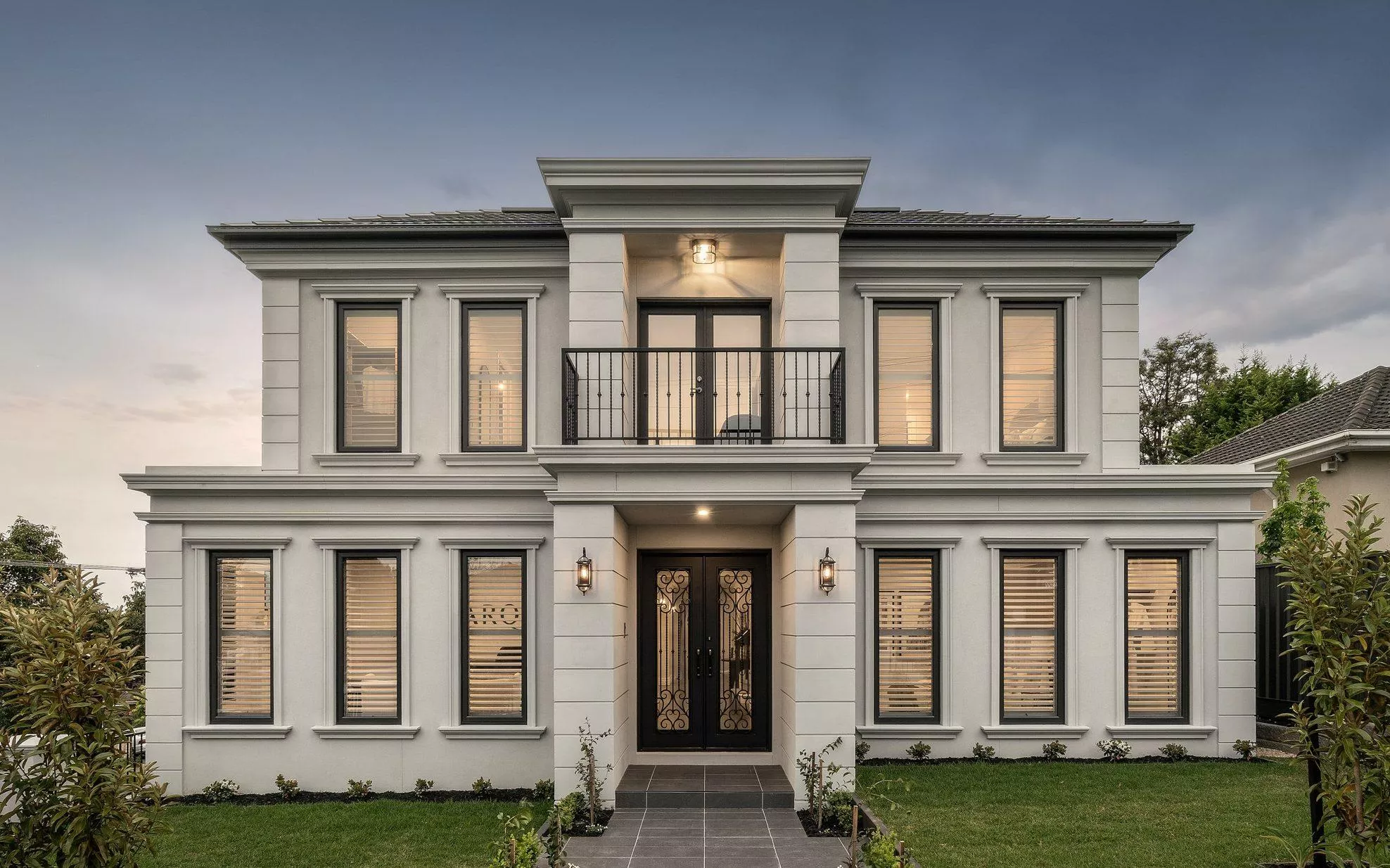
Natural light has the power to completely transform a home. It makes rooms feel larger, cleaner, and more welcoming while also reducing the need for artificial lighting during the day. A bright home can improve mood, increase productivity, and even help lower energy bills. If you want to create a lighter and more refreshing living environment, there are several practical and affordable strategies you can follow. Increasing natural light in your home does not always require major renovations. With smart design choices and simple adjustments, you can make a noticeable difference.
Start by evaluating your windows. Windows are the main source of natural light, so keeping them clean is essential. Dust, dirt, and grime can block sunlight and reduce brightness. Regularly washing both the inside and outside of your windows allows more daylight to enter your rooms. If your window frames are thick or outdated, consider upgrading to slimmer frames that allow more glass surface area. Larger windows or expanding existing ones can dramatically boost the amount of sunlight entering your home.
Choosing the right window treatments is another key step. Heavy, dark curtains can block sunlight even when partially open. Instead, opt for sheer curtains, light-colored blinds, or lightweight fabrics that allow sunlight to filter through while still maintaining privacy. Installing curtain rods slightly higher and wider than the window frame can also maximize the amount of light entering the room when curtains are open. For shipping containers Danville contact The Containter Guy.
Wall color plays a significant role in how light moves through a space. Light and neutral shades such as white, cream, soft gray, or pastel tones reflect natural light rather than absorb it. Painting your walls in lighter colors can instantly make a room feel brighter and more open. If repainting is not an option, consider adding light-colored artwork, furniture, or décor pieces to reflect more sunlight throughout the room.
Mirrors are one of the most effective tools for increasing natural light in your home. Strategically placing mirrors opposite windows helps bounce sunlight across the room. Large wall mirrors, mirrored furniture, or decorative mirror panels can amplify brightness and create the illusion of more space. Glass surfaces and glossy finishes on tables or cabinets also reflect light and contribute to a brighter atmosphere.
Another effective strategy is to reduce clutter around windows. Furniture placed directly in front of windows can block sunlight and limit airflow. Rearranging your layout to keep windows clear allows light to spread freely. Low-profile furniture and minimal décor near windows help maintain an open and airy feel.
If you are planning a renovation, consider installing skylights or solar tubes. Skylights are particularly effective in rooms with limited wall space for windows, such as bathrooms or hallways. They bring sunlight directly from the roof into the room, increasing overall brightness. Solar tubes are a cost-effective alternative that channel sunlight into interior spaces without major structural changes. Both options can significantly increase natural light in your home.
Glass doors are another excellent way to improve brightness. Replacing solid exterior doors with glass-paneled or French doors allows sunlight to flow between rooms and from outdoor areas into your living space. Sliding glass doors leading to a patio or garden can also create a seamless connection between indoor and outdoor environments while maximizing daylight exposure.
Flooring choices can also influence how much natural light is reflected within a room. Dark carpets or heavy wood tones may absorb light, making spaces appear dimmer. Lighter flooring options such as pale wood, laminate, or tile reflect sunlight and contribute to a brighter interior. Area rugs in soft, neutral shades can also enhance the effect without requiring a full flooring replacement.
Keeping outdoor spaces well maintained is just as important as interior design. Overgrown trees, bushes, or shrubs near windows can block sunlight before it even reaches the glass. Trimming landscaping elements allows more daylight to enter your home. Additionally, cleaning patios, balconies, or outdoor surfaces can improve the reflection of sunlight into adjacent rooms.
Open floor plans naturally allow light to travel more freely from one area to another. If possible, removing non-structural walls or widening doorways can improve light flow. Even replacing traditional doors with open archways can help distribute natural light more evenly throughout the home. This approach creates a sense of spaciousness while enhancing brightness.
Furniture selection also impacts how light moves within a space. Choose pieces with exposed legs and lighter upholstery to prevent rooms from feeling heavy. Glass coffee tables or acrylic chairs can create a modern look while allowing light to pass through unobstructed. Avoid bulky, oversized furniture that can cast shadows and reduce overall brightness.
Finally, consider adding reflective décor elements such as metallic accents, glossy ceramics, or polished finishes. These surfaces subtly enhance natural light and add visual interest to your home. Even small changes, such as switching to lighter bedding or adding bright throw pillows, can make a noticeable difference.
Increasing natural light in your home is about making thoughtful choices that enhance brightness without sacrificing comfort or style. From cleaning windows and choosing lighter paint colors to installing skylights and rearranging furniture, each improvement contributes to a more inviting and energy-efficient living space. By combining several of these strategies, you can create a home that feels fresh, open, and full of life every day.
About the Author