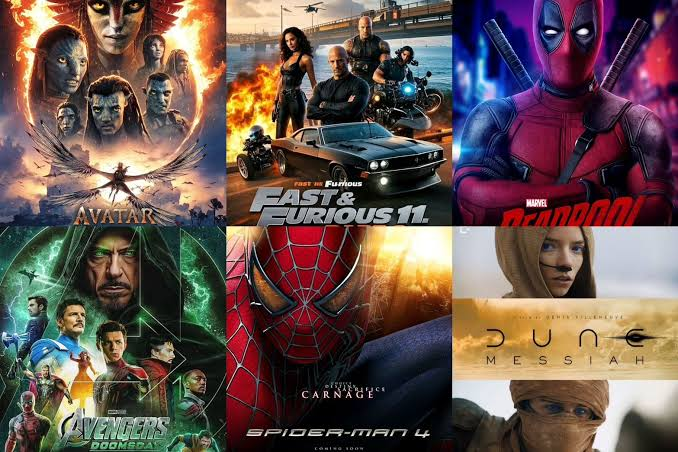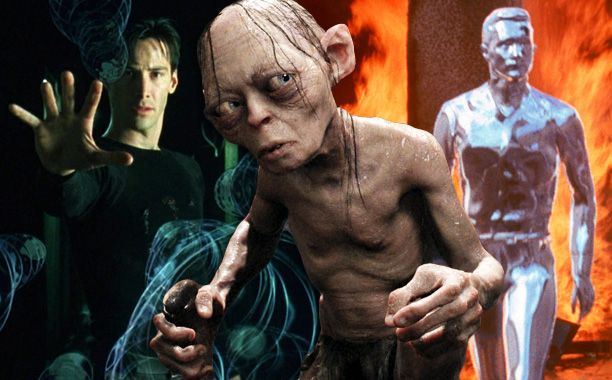
For a while in the mid-2010s, action movies started feeling like video game cutscenes. Actors stood in front of giant green walls in Atlanta warehouses, throwing punches at tennis balls on sticks while digital artists were left to paint in the explosions, the cars, the backgrounds, and sometimes even the costumes months later. Nothing had weight. When a CGI car flipped through a CGI building, your brain knew immediately that nobody was in danger, and the tension evaporated.
Audiences Crave Real Physics
Thankfully, the pendulum has swung hard in the opposite direction. The runaway success of films like Mad Max: Fury Road, the John Wick franchise, Top Gun: Maverick, and the Mission: Impossible series proved that audiences can subconsciously tell the difference between real gravity and computer algorithms.
When you see Tom Cruise actually hanging off the side of an airplane or Keanu Reeves performing a three-minute tactical reload sequence in a single wide shot without twenty rapid-fire editing cuts, your pulse goes up. Real stunts carry imperfections—the way dust kicks up under a tire, the subtle strain in a stuntman’s shoulders, the genuine G-force pushing against an actor’s face. Those tiny physical details sell the illusion in a way render farms still cannot replicate.
The Influence of Asian Action Choreography
Much of this renaissance owes a debt to classic Hong Kong, Indonesian, and South Korean action cinema. Films like The Raid and Oldboy reminded Western directors that a fight scene works best when the camera pulls back and lets the performers work. Instead of shaking the camera violently to hide the fact that the lead actor didn’t train for the role, modern action directors are hiring martial arts choreographers to design long, rhythmic combat sequences.
We are seeing this same commitment to hard-hitting choreography in recent Indian action thrillers like Kill and Vikram, where claustrophobic settings and brutal practical stunt work take center stage. Action fans who regularly browse MovieLinkBD for high-adrenaline releases consistently gravitate toward these grounded, hard-hitting films over bloated superhero flicks packed with weightless laser beams.
Blending CGI with Reality
None of this means visual effects are the enemy. The best modern blockbusters use invisible CGI to erase safety wires, stitch long takes together, or expand real sets built on location. The magic happens when digital tools support real stunt performers rather than replacing them. As long as directors keep putting real cameras in real environments, the action genre is in safe hands.
About the Author